
TL;DR
- The study compares the energy consumption of the Anod MHR1 motor with that of the Bosch Performance Line motor (with a 545 Wh battery) under standardized conditions.
- Field measurements show a significantly lower consumption for the Anod MHR1 motor: 5.31 Wh/km (≈ 8.55 Wh/mile) in Turbo, compared with 10.48 Wh/km (≈ 16.87 Wh/mile) for the Bosch Performance Line.
- The range tests carried out over 37 rides (770 km ≈ 478 miles) show: 100 km (≈ 62 miles) in Eco, 50 km (≈ 31 miles) in Tour, 35 km (≈ 22 miles) in Turbo.
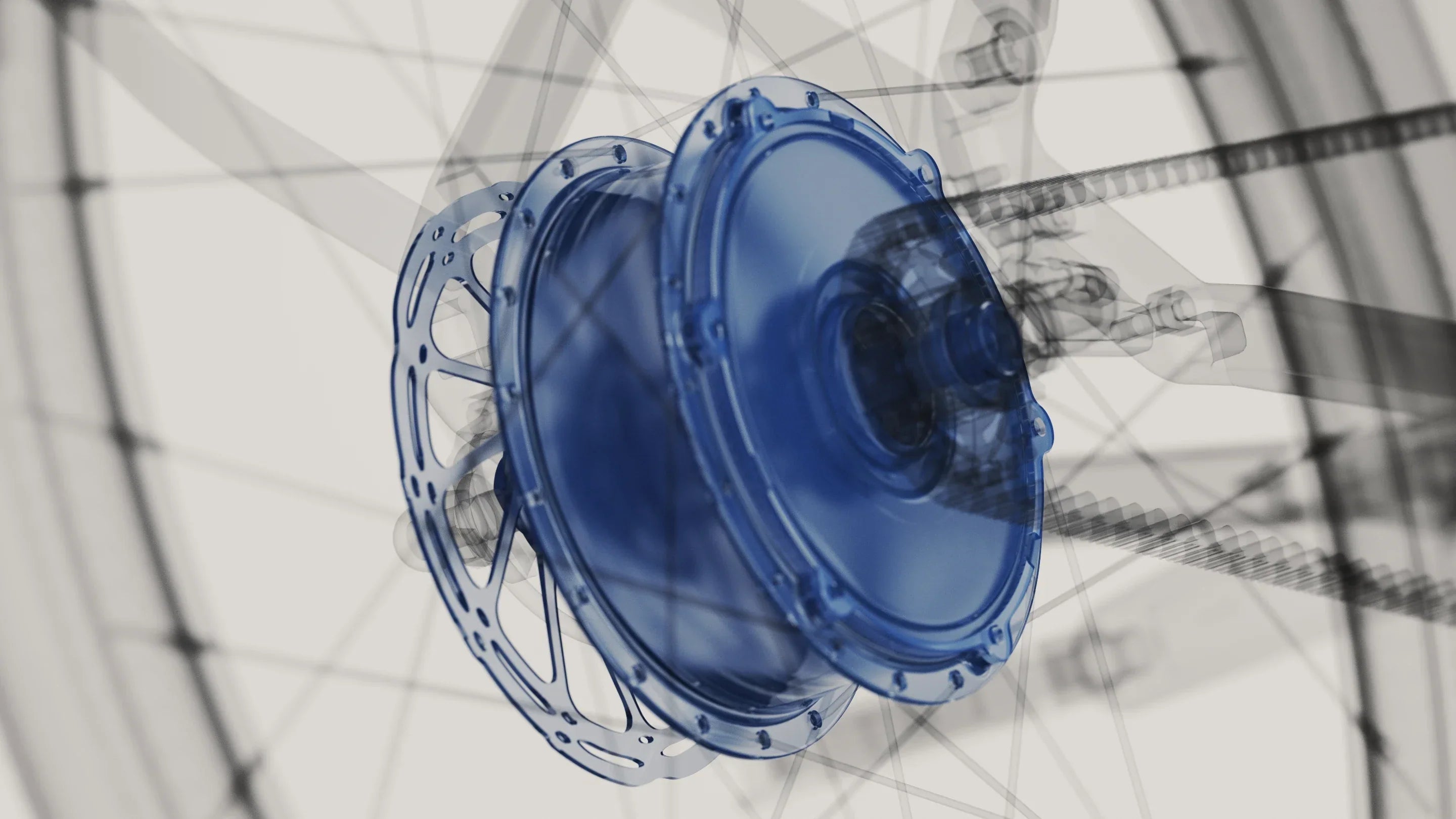
- Thanks to the S.A.F.E. technology and the hybrid supercapacitor, the system achieves 17.57% energy recovery, improving real-world range and overall consumption.
- Conclusion: thanks to its superior efficiency, the MHR1 motor enables the use of hybrid supercapacitors while delivering performance and features aligned with user needs: solid range, 10× faster charging, and zero thermal runaway risk.
Study Objective
This document describes the methodology used to measure the energy consumption of the MHR1 motor installed on the Anod Hybrid 2 bicycle, as well as the comparison of this consumption with that of a Bosch motor under equivalent conditions.
The objective is to obtain reliable, reproducible, and actionable data in order to assess the motor’s real-world efficiency in various usage scenarios.
Methodological Framework
The testing protocol is based on the parameters offered by the Bosch autonomy simulator, a highly comprehensive tool offering a wide range of options.

This simulator makes it possible to accurately estimate battery range based on a set of reproducible parameters covering:
- Terrain conditions: type of route (flat, hilly, isolated climbs), wind intensity, urban environment (frequency of braking and restarts).
- Rider behavior and characteristics: average speed, cadence, weight, level of effort.
- Bicycle characteristics: motor system, tires, transmission, total system mass.
This level of configurability enables the definition of representative riding situations and provides a structured basis for establishing the test protocol.
Using this framework makes it possible to build a standardized scenario model without constituting a performance comparison between motor systems.
Parameters Used as Simulation Baseline
Selected Motor and Battery
The simulation baseline uses the Bosch Performance Line motor.
The assistance percentages per mode come from official Bosch documentation:
| Bosch | Anod | |
|---|---|---|
| Mode 1 - Eco | 60% | 80% |
| Mode 2 - Tour | 140% | 160% |
| Mode 4 - Turbo | 340% | 350% |
These values ensure consistency between riding profiles.
Source: Bosch – Assistance mode documentation
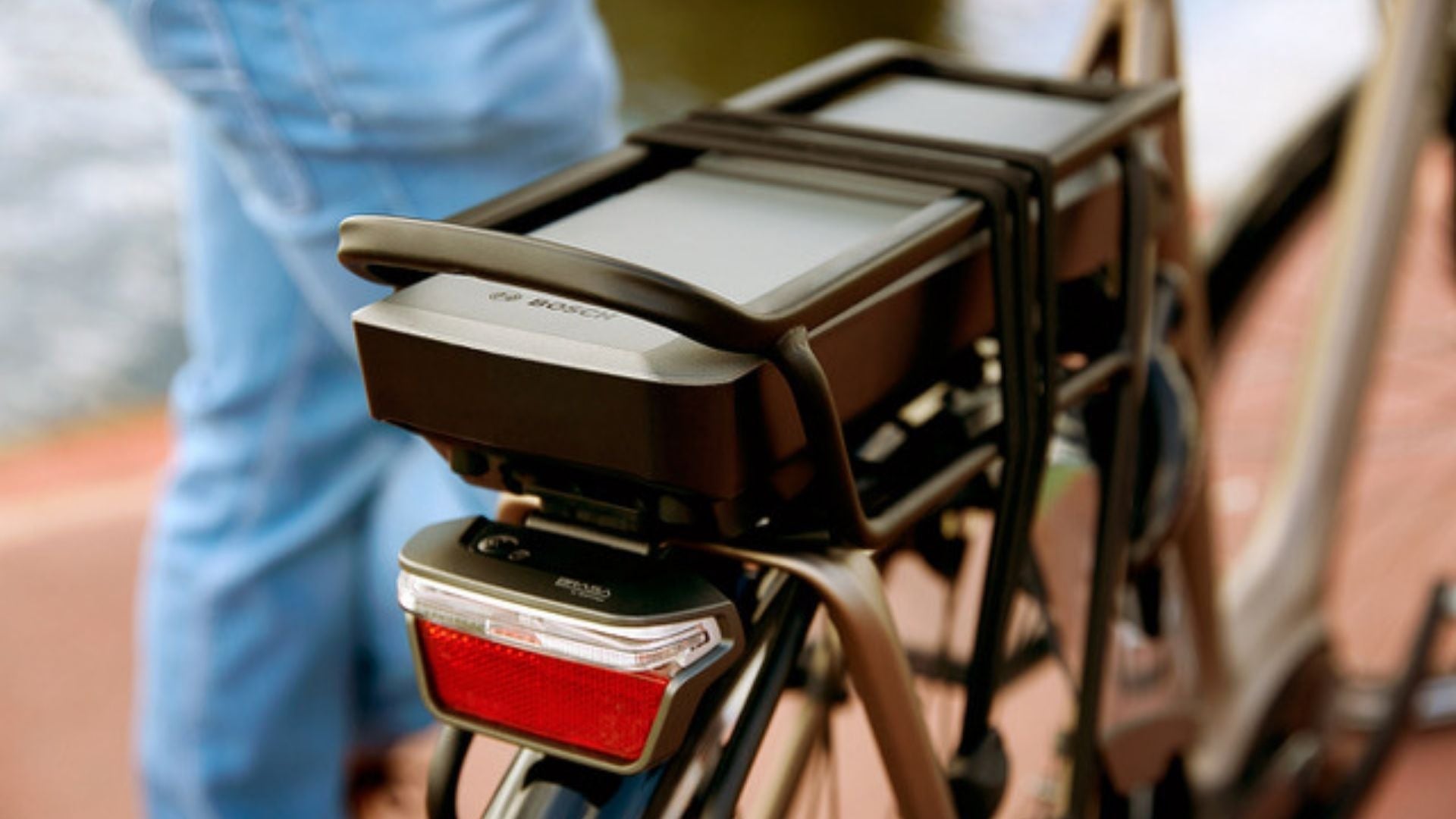
The selected battery is the Bosch PowerPack 545 Frame, with a capacity of 545 Wh.
Main specifications:
- Nominal capacity: 545 Wh
- Nominal voltage: 36 V
- Technology: Lithium-ion
- Energy management system: Smart System (Bosch Intelligent System)
This capacity is representative of the batteries used with Performance Line motors.
Source: Owner’s Manual – The Bosch Drive System – PowerPack 545
Parameters Configured in the Simulator

These parameters form the baseline profile used to calibrate and reproduce real-world conditions during field testing.
Calculating Bosch Performance Line Consumption
The theoretical consumption of the Bosch Performance Line motor was calculated using the autonomy values obtained from the Bosch simulator, based on the PowerPack 545 battery.
The method simply consists of dividing the battery capacity by the displayed autonomy:
Consumption (Wh/km) = 545 Wh Autonomy (km)
The results are as follows:
| Bosch Performance Line Assistance Mode | Autonomy | Calculated Consumption |
|---|---|---|
| Eco | 98 km (≈ 61 miles) | 5.45 Wh/km (≈ 8.77 Wh/mile) |
| Tour | 66 km (≈ 41 miles) | 8.1 Wh/km (≈ 13.05 Wh/mile) |
| Turbo | 50 km (≈ 31 miles) | 10.48 Wh/km (≈ 16.87 Wh/mile) |
Data Collection – Anod Field Tests
Two types of tests were conducted to evaluate the real-world consumption and autonomy of the MHR1 motor.
Consumption Measurement
Consumption measurements were performed on an Anod bicycle equipped with a high-capacity lithium-ion battery, selected to match the capacity used in the Bosch simulation.
The bicycle was ridden on a route with characteristics similar to those defined in the simulator (hilly terrain with urban segments and restarts).
- Distance and average speed measurement: Strava
- Tests conducted across all assistance modes
- Total rolling weight: 107 kg (≈ 236 lbs) (a minor deviation from the 110 kg used in the simulation, considered non-significant)
Applying the same calculation method used for Bosch motors, the following consumptions were obtained:
- Turbo: 5.31 Wh/km (≈ 8.55 Wh/mile)
- Tour: 4.03 Wh/km (≈ 6.49 Wh/mile)
- Eco: 1.97 Wh/km (≈ 3.17 Wh/mile)
These values represent the field reference for evaluating the efficiency of the Anod MHR1 motor.
Autonomy Measurement
Additional tests were conducted to measure the real-world autonomy of the assistance system.
The bicycle used was equipped with the S.A.F.E. technology and its hybrid supercapacitor, a key component of the Anod system allowing power smoothing and optimized energy recovery during braking phases.
Testing was performed under varied conditions, representative of real-world usage.
This test campaign included:
- 37 test sessions
- 3 rider profiles
- 770 km (≈ 478 miles) ridden in total
Autonomy values observed per assistance mode:
- Turbo Mode: 35 km (≈ 22 miles)
- Tour Mode: 50 km (≈ 31 miles)
- Eco Mode: 100 km (≈ 62 miles)
The testing phase also allowed measurement of the energy recovered through the hybrid system.
Recovery rate obtained: 17.57%
This percentage represents the ratio between recovered energy and total energy consumed across all tests, confirming the effectiveness of the hybrid system under real-world conditions.
Conclusion
Simulations and real-world tests demonstrate that the Anod MHR1 motor achieves lower consumption than the Bosch reference across the evaluated assistance modes.
These energy performance results, combined with the controlled operation of the assistance and braking-energy recovery system, enable the use of hybrid supercapacitors:
- Elimination of thermal runaway risk
- Up to 10× faster charging compared to conventional lithium-ion systems
- Full bicycle recharge in approximately 25 minutes
These results confirm the relevance of the chosen technology and the robustness of the system developed.
| Indicator | Bosch Performance Line (545 Wh) | Anod MHR1 with S.A.F.E. technology |
|---|---|---|
| Consumption – Eco | 5.45 Wh/km (≈ 8.77 Wh/mile) | 1.97 Wh/km (≈ 3.17 Wh/mile) |
| Consumption – Tour | 8.1 Wh/km (≈ 13.05 Wh/mile) | 4.01 Wh/km (≈ 6.49 Wh/mile) |
| Consumption – Turbo | 10.48 Wh/km (≈ 16.87 Wh/mile) | 5.31 Wh/km (≈ 8.55 Wh/mile) |
| Energy recovery | Not compatible | 17.57 % |
| Thermal runaway risk | Very high for Li-Ion chemistry | None (S.A.F.E. technology) |
| Charging speed | Standard | ≈ 10× faster |
| Full recharge | Several hours | ≈ 25 min |